
Our River
Source to sea
Rising near Syresham in Northamptonshire and meandering its way through Buckinghamshire, Bedfordshire, Cambridgeshire and Norfolk to its mouth in The Wash near King’s Lynn, the River Great Ouse is the largest river in East Anglia. And, at 143 miles, the fifth longest in the country.
Classic scenery
Naturally enough, its character changes along the way: from a small rushing brook at Buckingham to the stately width in Bedford, it thereafter enters the flat, open landscape of the Fens at Earith, and flows gently to Ely, Littleport and eventually the sea. But it is the classic riverside scenery of the Cambridgeshire section which is considered to be its most attractive reach, linking market towns, pretty villages and stunning floodplain meadows.
This, the Great Ouse Valley section, has been accepted by Natural England as a potential new National Landscape, a designation which will acknowledge its special qualities and help both protect and promote it.
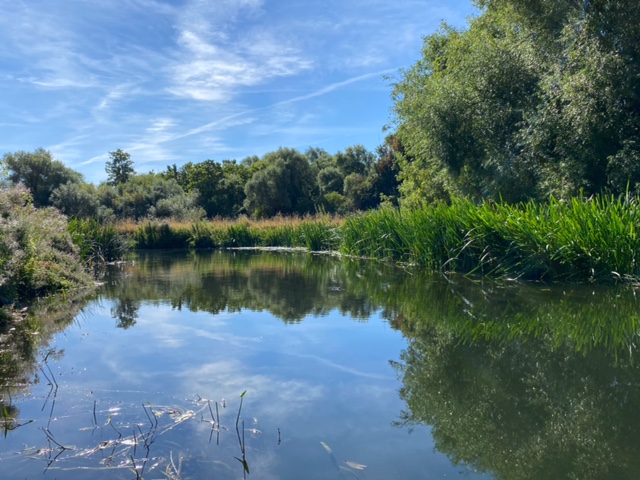

So, from St Neots, where the river enters Cambridgeshire, to Earith where it leaves it, the Great Ouse offers a wide range of attractions for those lucky enough to live alongside or near it, and for those who visit.
Wildlife
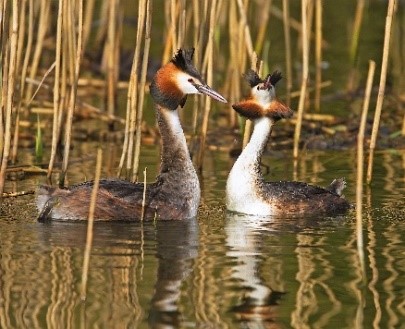
The river itself, and the many nature reserves close by, present a wealth of wildlife for those interested in the natural world. A healthy population of fish supports herons, grebes, egrets, cormorants, terns and kingfishers, plus otters and the occasional seal.
In winter large numbers of ducks build up on the flooded meadows as the surrounding lakes freeze, and the local mallards, coots and moorhens are joined by wigeons, shovelers, gadwalls and pintails, plus the waders godwits and dunlins.
Flourishing flora
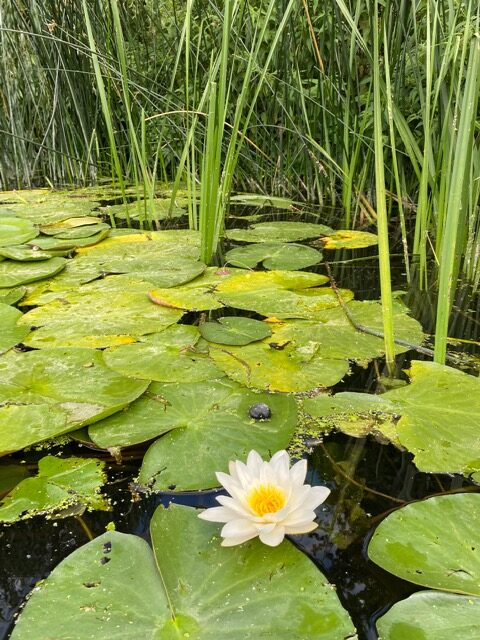
The riverside flora flourishes too. Water lilies flower in the margins against a backdrop of reeds, sedges and rushes and, along the banks, a variety of willows trail in the stream with other water-loving species, like black poplars and alders, creating the classic Ouse Valley scenery.
Dazzling dancers
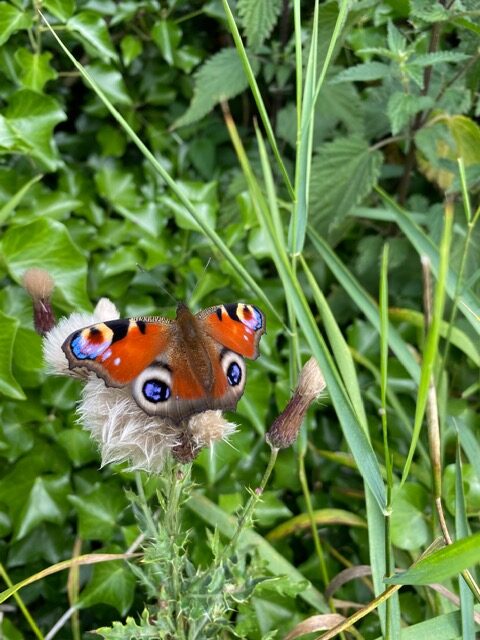
And, of course, insects also thrive: dragonflies dart, damsel and mayflies dance, and butterflies flutter, and a myriad of midges keep swallows, martins and swifts happy in summer, along with bats at night.
Sightings


For some days my eye was caught by a Coot ‘waving’ at me. As it swam by, some way off, one leg was raised in...


Remember the Dainty Footwork sighting of the Little Egret? Imagine my joy when in the same spot, a Great Egret alighted this time and proceeded...


New Year’s Day. Time to venture out and blow away the cobwebs. So to Ouse Fen with a brilliant blue sky and a biting wind....